
The Future of Digital Signage: Key Trends Shaping 2026
Digital signage has transformed from basic information boards to dynamic communication platforms. As we approach 2026, several key trends are emerging that will define the industry: advancements in display technology, artificial intelligence integration, increased interactivity, sustainability focus, and cloud-based management improvements.
These developments offer businesses opportunities to enhance audience engagement, reduce costs, and align with environmental goals. Cloud platforms like Digisigns play a central role by providing accessible tools for implementation. This blog examines each trend in detail, explaining their practical implications and benefits.
Advancements in Display Technology
Hardware innovations continue to push boundaries.
Micro LED technology is becoming more viable, offering higher brightness and contrast while consuming less power. This makes it suitable for outdoor applications or brightly lit indoor spaces where visibility is crucial. The modular design allows for large-scale setups with minimal visible gaps, creating seamless video walls.
Transparent OLED displays are gaining popularity for creative installations. They enable digital content to appear overlaid on real-world objects, such as product information in retail windows or interactive exhibits in museums. This blending of physical and digital elements creates memorable experiences.
Resolution improvements, including broader 8K adoption, deliver sharper images for close-range viewing, like detailed menu boards or product demonstrations. Flexible and curved panels open architectural possibilities, integrating signage into building designs.
These hardware advances ensure content remains clear and impactful across various environments, helping messages cut through visual noise.
Artificial Intelligence Integration
AI is shifting from experimental to essential in signage operations.
In 2026, AI will commonly assist with content creation and optimization. Tools can suggest layouts, colors, or text based on best practices, speeding up design for non-experts. Performance analysis will identify high-performing elements, allowing automatic adjustments.
Personalization features will use anonymous data to tailor messages — for example, showing family-oriented promotions to groups with children. Predictive scheduling can align content with external factors, such as weather or events.
Cloud platforms enable these AI capabilities by handling data processing and rapid updates. Businesses adopting AI tools typically see improved relevance and higher response rates.
Enhanced Interactivity Features
Making signage interactive encourages active participation.
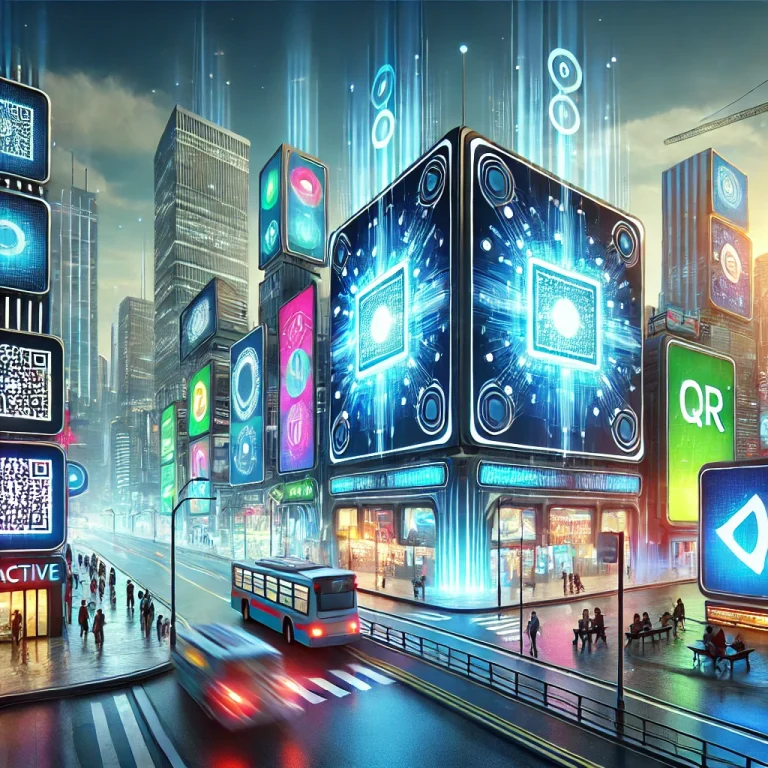
Touchless methods, including gesture recognition and voice commands, address hygiene concerns and provide convenient access. QR codes connect screens to mobile devices for extended information or transactions.
These options suit public kiosks, retail environments, or corporate lobbies. Interactive elements extend viewing time and improve information retention. Cloud systems simplify rolling out updates to interactive content across networks.
Sustainability and Eco-Friendly Practices
Environmental responsibility is influencing signage decisions.
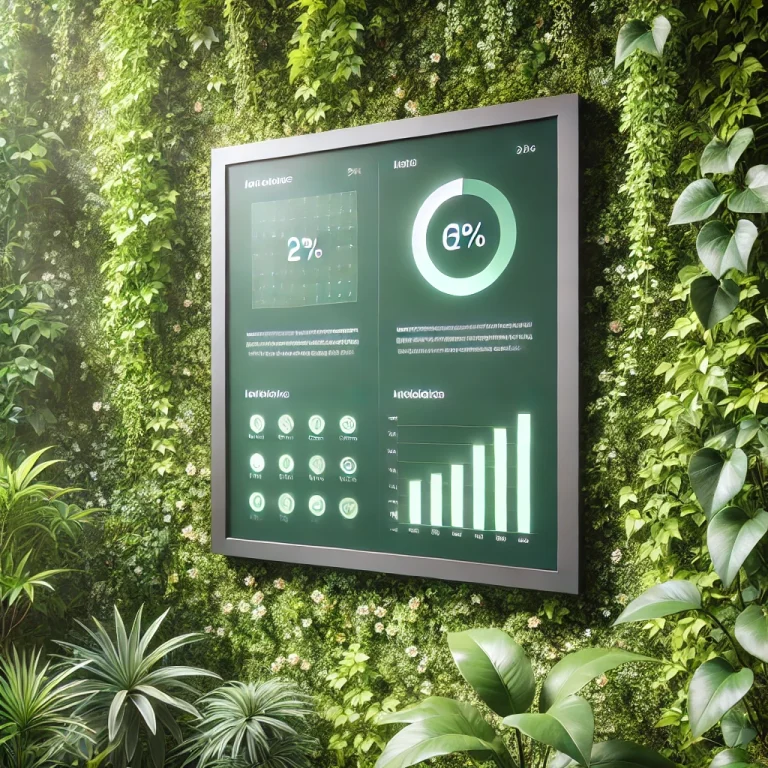
Low-power displays and efficient hardware reduce energy use. Alternatives to traditional print eliminate paper consumption and waste from frequent replacements.
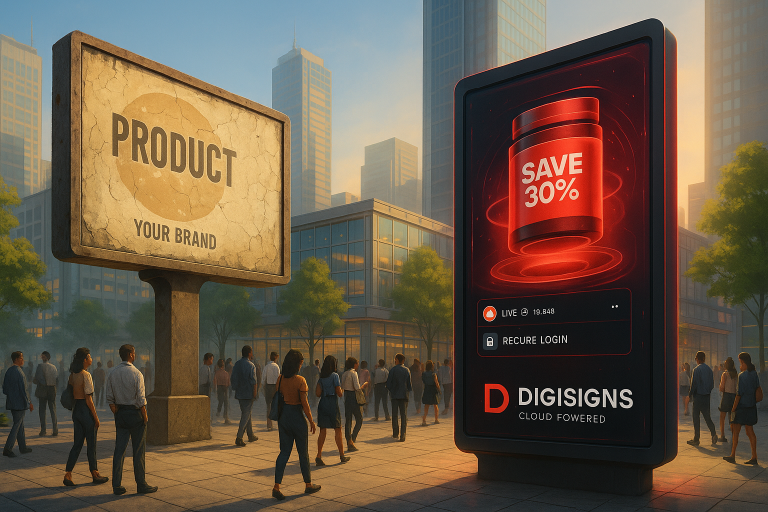
Digital approaches support sustainability by enabling instant changes without physical materials. Organizations can lower their carbon footprint while maintaining effective communication.
Cloud Management and Scalability
Efficient management is critical for large deployments.
Cloud solutions provide remote access, allowing updates and monitoring from anywhere. This is valuable for multi-site operations needing coordinated messaging.
Centralized control ensures brand consistency while permitting local variations. Scalability accommodates expansion without proportional infrastructure costs.
Conclusion
The trends shaping digital signage in 2026 focus on better visuals, smarter operations, interactive experiences, sustainability, and flexible management. These changes help businesses connect with audiences more effectively.
Digisigns offers cloud-based tools to support these developments. Explore how to incorporate them at digisigns.in.
FAQs
Q: What is the role of AI in 2026 digital signage?
AI optimizes content, enables personalization, and improves scheduling for better engagement.
Q: How does interactivity improve signage?
Touchless and AR features increase participation and dwell time, making experiences more memorable.
Q: Why focus on sustainability?
Energy-efficient and eco-friendly options reduce costs and support environmental goals.
Q: What are the benefits of cloud management?
It offers scalability, remote updates, and centralized control for efficient operations.
Q: How can businesses prepare for these trends?
Choose flexible platforms like Digisigns for easy adoption of new technologies.